

Slate Roofing Louisville, KY
Specialized Slate Installation, Repair, and Restoration for Louisville’s Landmark Properties
Commercial buildings with natural slate tile roofs represent some of the most architecturally significant properties in Kentucky. Unlike modern synthetic alternatives, a genuine stone roof demands an understanding of historic preservation roofing standards, ASTM C406 slate grading standards, and the physical characteristics of the material itself. At Woods of Glenmary Roofing, we specialize in maintaining, repairing, and installing these legacy systems on commercial and institutional properties. Whether your building features heavy Vermont unfading green or Pennsylvania black slate, we bring the specific trade knowledge required to handle these heavy materials without damaging the surrounding field tiles during a routine slate roof inspection.
One of the most critical decisions for any facility manager is evaluating hard slate vs soft slate when planning repairs or additions. Hard slate offers a slate lifespan expectancy that easily exceeds a century, showing incredible thermal cycling resistance against our severe winter freeze-thaw cycles. Soft slate, while more common and budget-friendly, degrades faster under environmental stress, often requiring targeted slate flashing repair and individual tile replacement to prevent structural leaks. We work closely with property owners to match existing materials, sourcing salvaged slate from the same historic quarries to ensure your building maintains its approved aesthetic while meeting strict local preservation guidelines.
The longevity of a slate roof depends entirely on the hidden components supporting it. We focus heavily on proper slate underlayment selection, ensuring the high-performance barrier beneath the stone matches the long-term durability of the slate itself. Furthermore, we use heavy-duty copper flashing and slate hook fasteners to secure every tile, as standard aluminum or galvanized steel will fail decades before the stone does. From verifying strict roof pitch requirements to hand-crafting a custom slate ridge cap, our team ensures every detail of your commercial system is engineered to survive the elements. If you manage historic properties in Louisville, protecting your capital investment starts with hiring craftsmen who treat slate as a permanent asset rather than a temporary cover.
Our licensed operators handle slate roofing with upfront pricing, fully insured equipment, and 24/7 availability throughout Louisville, KY.
Slate Roofing Louisville, KY
Why Natural Slate is the Ultimate Capital Asset for Your Property
Investing in a natural slate tile roof for your commercial property is a decision that shifts your focus from short-term maintenance cycles to century-long asset protection. Unlike synthetic alternatives, genuine stone possesses an inherent thermal cycling resistance that allows it to withstand Kentucky’s brutal freeze-thaw cycles without warping or losing structural integrity. When we install these systems on historic buildings in Louisville, we evaluate the distinct differences of hard slate vs soft slate to ensure your building gets a material graded to last. It is not just about aesthetics; it is about putting a permanent shield over your operations.
A properly designed slate roof relies on a system of matching, high-grade components. We use heavy-duty slate underlayment and secure each tile using copper slate hook fasteners or heavy-gauge copper nails, ensuring wind and ice cannot easily dislodge them. Furthermore, we pair these installations with custom-fabricated copper flashing and a matching slate ridge cap to eliminate the weak points that typically plague commercial roofs. By choosing a material with an exceptional slate lifespan expectancy, your procurement team avoids the disruptive cycle of re-roofing every twenty years, which directly protects your tenants and your bottom line.
-
Exceptional Lifespan Expectancy — Natural slate regularly exceeds a century of active service, outlasting multiple generations of standard commercial roofing materials.
-
High Thermal Cycling Resistance — The dense stone structure resists splitting and cracking during Kentucky's rapid winter freeze-thaw transitions.
-
Historic Preservation Compliance — We source salvaged slate and match original quarry origins to satisfy strict local landmark and historic district guidelines.
-
Premium Copper Flashing — Every valley, chimney, and wall joint is sealed with durable copper flashing designed to match the 100-year life of the stone.
-
Reduced Capital Expense — Eliminating the need for frequent replacements simplifies your capital planning and lowers your property's lifetime cost of ownership.
Slate Roofing Louisville, KY
Why Commercial Property Managers in Louisville Trust Woods of Glenmary Roofing for Slate Roofing
Natural slate tile requires highly specialized handling that typical commercial roofing crews simply do not possess. At Woods of Glenmary Roofing, we do not treat slate as a sideline or a generic material. Our crew understands the critical differences between hard slate and soft slate, ensuring we apply the correct handling techniques during every slate roof inspection or repair. We are local to the region, meaning we know how Kentucky's intense freeze-thaw cycles stress historic systems, and we never send general laborers to walk on your delicate roof.
We hold a valid Kentucky contractor's license and maintain comprehensive liability insurance, protecting your commercial asset throughout the project. Our team is trained in historic preservation roofing standards, using traditional tools like slate cutters and specialty slate hook fasteners rather than modern shortcuts that crack historic stone. When handling a slate flashing repair, we pair the stone with heavy-duty copper flashing to match the natural slate lifespan expectancy. By choosing Woods of Glenmary Roofing, you partner with our experienced technicians who respect the architectural integrity of your building and deliver itemized, transparent bids that procurement teams can rely on.
LOCALLY OWNED & OPERATED
Dispatchers and drivers who know your community.
GPS-TRACKED FLEET
Real-time ETAs and the closest available truck.
LICENSED PROFESSIONALS
Fully insured operators trained for safe recovery.
UPFRONT PRICING: Clear quotes before our truck rolls
no surprise fees.
Slate Roofing Louisville, KY
Commercial Slate Roofing FAQ
Slate Roofing Louisville, KY
Commercial Slate Roofing Importance
A commercial slate roof is not just a weather barrier; it is a multi-generational capital asset that demands specialized engineering respect. For historic or institutional properties in the region, a natural slate tile roof represents a massive upfront investment that can easily achieve a slate lifespan expectancy of over a century. However, this longevity is entirely dependent on proper installation and proactive maintenance. Because natural slate is incredibly heavy, exerting anywhere from 700 to 1,500 pounds of dead load per square, your building's framing must be verified to meet strict roof pitch requirements and load capacities. Neglecting this structural reality or hiring general contractors who do not understand slate grading standards can lead to catastrophic decking deflection and structural failure.
Most commercial slate failures do not stem from the stone itself, but from the failure of accessory materials. Kentucky's intense winter freeze-thaw cycles test the thermal cycling resistance of your roof every single year. If an unqualified crew used cheap aluminum instead of heavy-duty copper flashing, or standard nails instead of robust slate hook fasteners, the tiles will inevitably slip and crack. When we perform a slate roof inspection on commercial buildings in Louisville, we often find that water intrusion is caused by deteriorated slate underlayment or failing valleys rather than the slate tiles themselves. Timely slate flashing repair and replacing a compromised slate ridge cap are critical to preventing minor leaks from cascading into major structural rot that disrupts your tenants.
For historic preservation roofing, the stakes are even higher. If your property falls under local landmark guidelines or state historic preservation rules, using the wrong materials can result in costly code violations and forced tear-offs. You cannot simply patch a historic roof with any stone; there is a massive difference between hard slate vs soft slate in terms of durability and appearance. Our team specializes in sourcing salvaged slate from matching quarries to ensure the thickness, color, and weathering characteristics blend seamlessly with your existing roof. By addressing cracked or slipped tiles early, you avoid the massive capital expense of a premature full replacement while fully protecting your property's architectural heritage.
Our Services
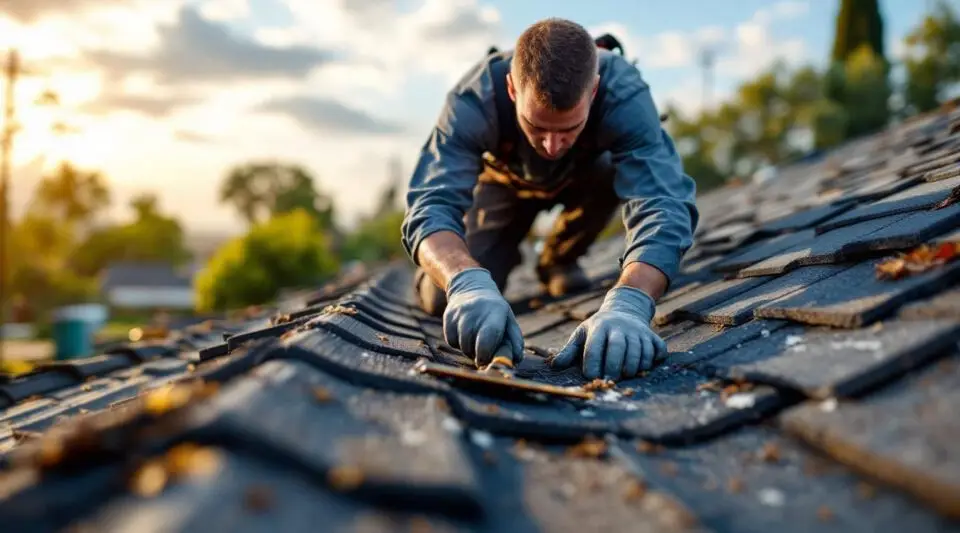
Asphalt Shingle Roofing
Commercial properties in Louisville face a unique set of meteorological challenges, from the high humidity of the Ohio River valley to intense spring severe weather.
View Service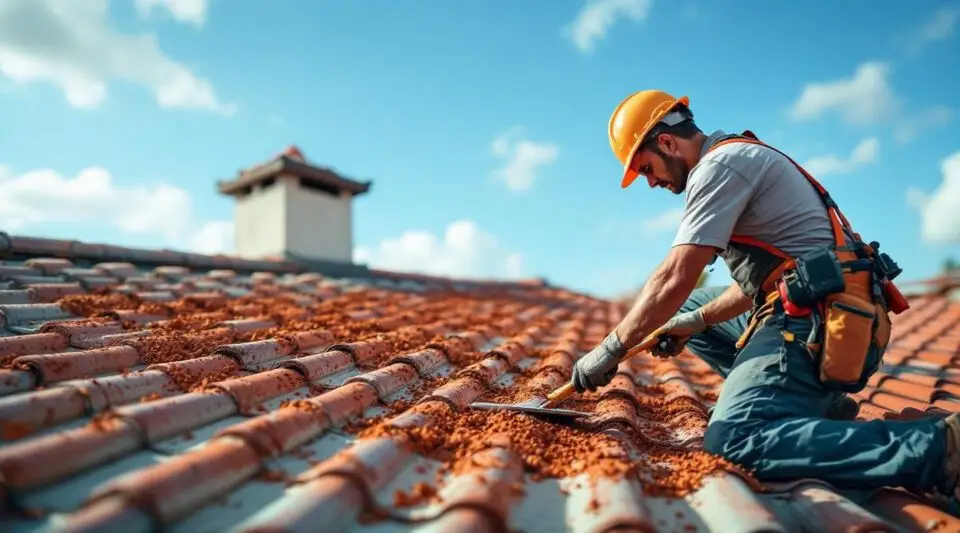
Clay Tile Roofing
When you invest in a commercial roof in Louisville, you are planning for decades, not just the next budget cycle.
View Service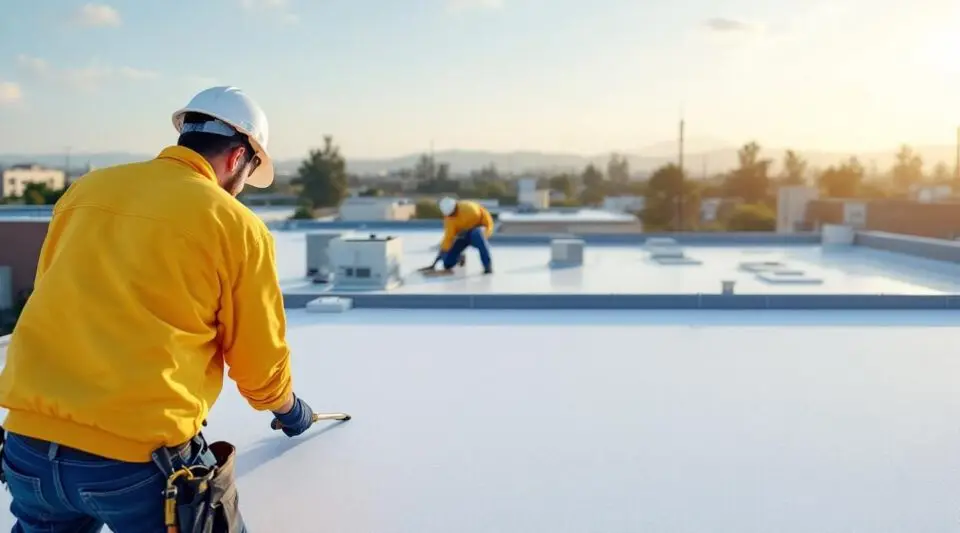
Commercial TPO Roofing Services in Louisville
Managing a commercial property in the Ohio Valley means preparing for extreme weather shifts.
View Service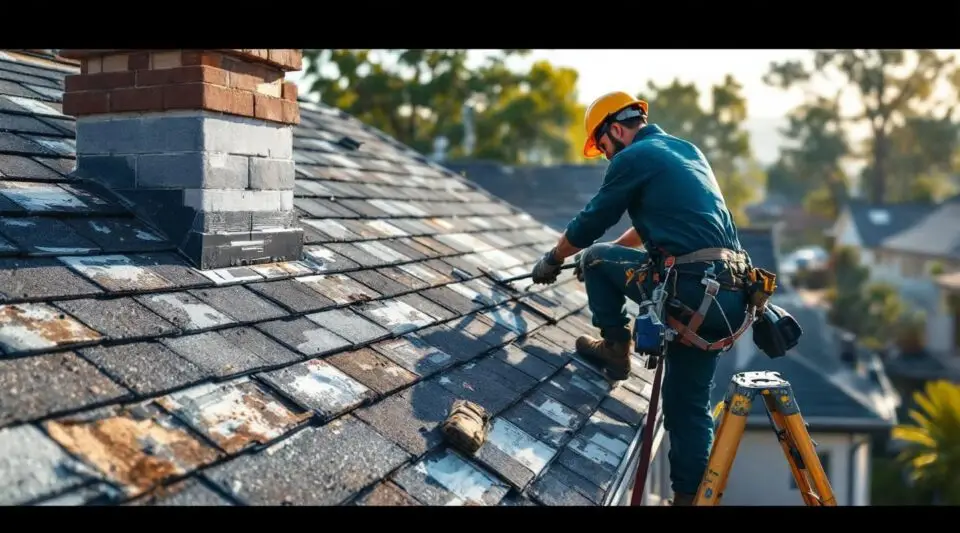
Composition Shingle Roofing for Louisville Commercial Properties
Commercial properties across Louisville face intense weather, from humid summer storms to freezing winter cycles.
View Service
EPDM Roofing
Managing a commercial property in the Ohio Valley means preparing for brutal weather swings.
View Service
Flat Roof Installation
A flat roof on a commercial property in the Ohio River valley has to work incredibly hard.
View Service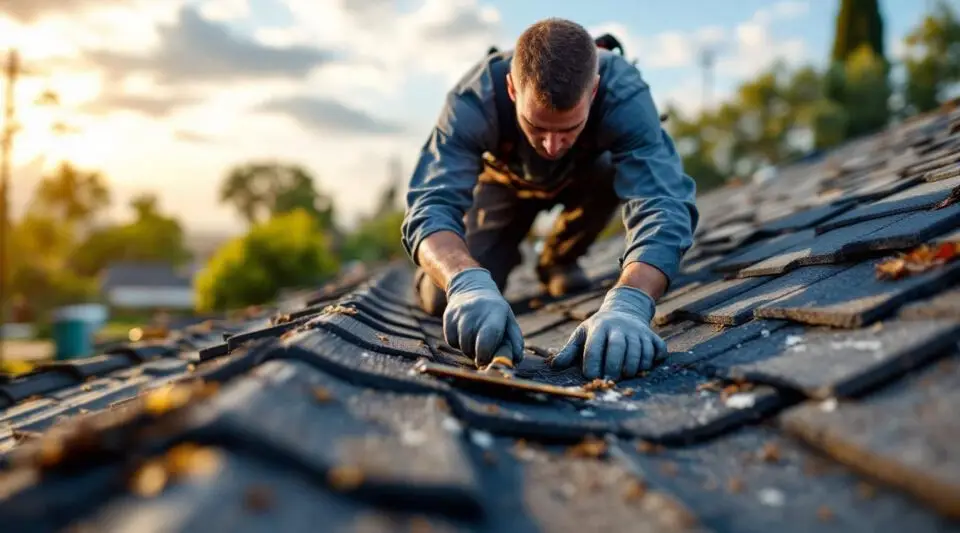
Flat Roof Repair
When a flat roof starts leaking on a commercial property in Louisville, the clock is ticking.
View Service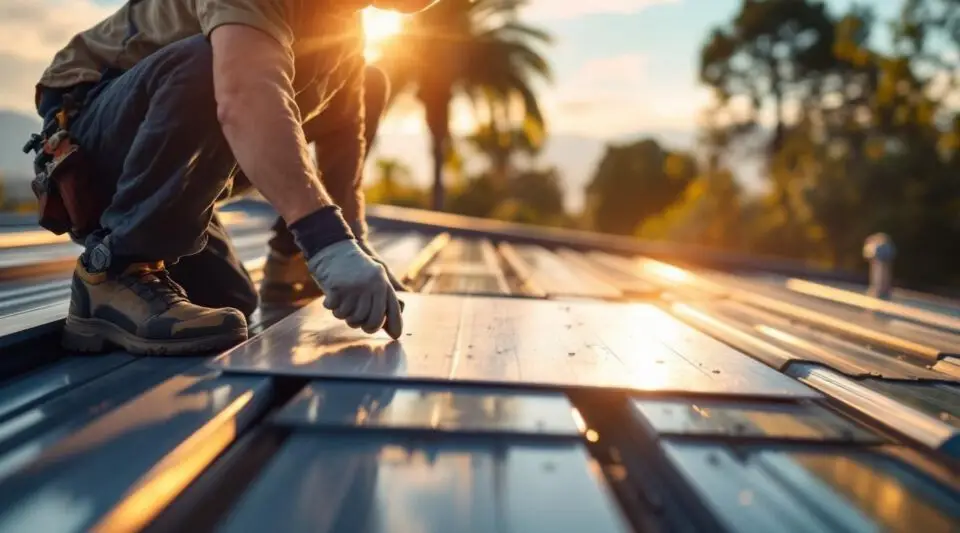
Metal Roofing Systems
Protecting a commercial property in the Ohio River valley requires a roofing system that shrugs off intense summer heat, sudden spring hail, and winter freeze-thaw cycles.
View Service
Roof Coating
Commercial property owners in Louisville face a unique set of challenges when it comes to maintaining low-slope roofing.
View Service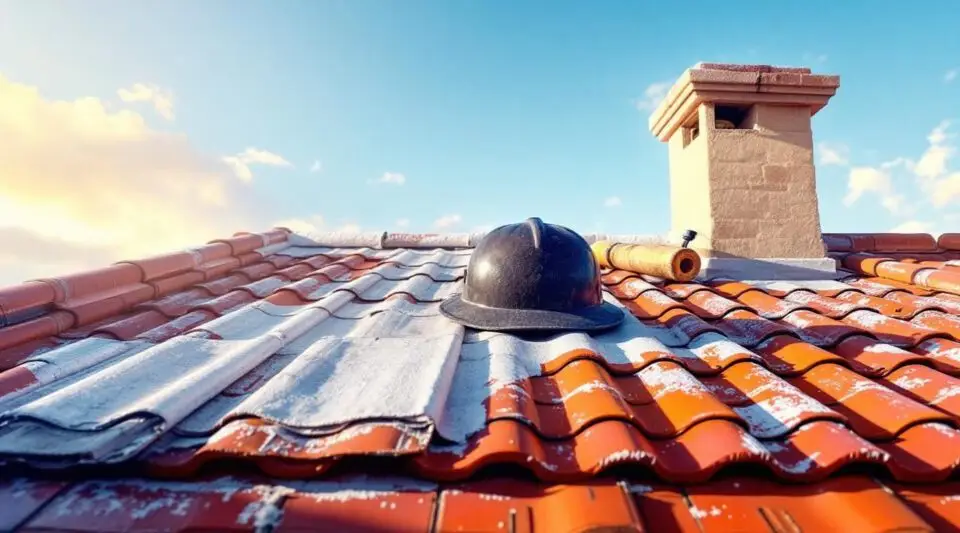
Spanish Tile Roofing
A Spanish tile roof brings an unmistakable architectural profile to your commercial property, but managing these heavy, high-character systems requires specialized trade knowledge.
View ServiceProtect Your Historic Commercial Asset with Expert Slate Care
Slipped tiles and degraded copper flashing can quietly compromise your building's structural integrity. Before a minor leak turns into an expensive interior disruption, let our team perform a comprehensive slate roof inspection to pinpoint weak fasteners or failing underlayment.
We bring specialized knowledge of ASTM C406 slate grading standards and historic preservation roofing to every commercial property in Louisville. Contact us today to schedule a detailed condition assessment and secure a roof built to last for generations.
What They Say About Us:
After our initial inspection, they recommended replacing the old slate roofing on our Crescent Hill home. The job was completed right on schedule, and the finished roof looks absolutely fantastic.
Angelia
Beautiful New Slate Roofing in Crescent HillThey provided a very clear estimate and a sensible schedule for installing our new slate roofing. The crew worked hard every day, kept our Cherokee Triangle property clean, and made the entire process feel incredibly easy.
Anna
Professional Slate Roofing Installation in Cherokee TriangleWe hired them to repair our historic slate roofing in Old Louisville, and they carefully explained the materials and sealing process they used. The repair went smoothly, and our roof has remained in perfect condition ever since.
Linda
Expert Slate Roofing Repair in Old LouisvilleWhen our office building near downtown Louisville developed a leak, this team quickly stepped in to repair the damaged slate roofing. They were highly professional and reliable throughout the entire repair process.
Beatrice
Reliable Commercial Slate Roofing Repair in NuLuThis team exceeded all our expectations by using top-tier materials and completing our slate roofing project in the Highlands ahead of schedule. They kept us updated every step of the way, and we absolutely trust the quality of their craftsmanship.
Debbie
Outstanding Slate Roofing Replacement in the Highlands