

Clay Tile Roofing Louisville, KY
Architectural Distinction and Century-Long Durability for Your Commercial Property
When you invest in a commercial roof in Louisville, you are planning for decades, not just the next budget cycle. Premium terra cotta tile offers an unmatched combination of historic elegance and structural permanence. Unlike standard materials that degrade under intense summer heat and winter frost, high-grade clay tiles deliver exceptional freeze-thaw cycle resistance. This is particularly vital in Jefferson County, where rapid temperature swings can easily crack inferior materials. By choosing ASTM C1167 Grade 1 clay, your property gains a Class A fire rating and a roof designed to last over a century.
Installing these systems requires more than just basic roofing knowledge. Because of the substantial weight of clay, our first step is always a precise tile weight load calculation. We evaluate your building's existing framing to determine if structural deck reinforcement is necessary before any tile arrives on site. This upfront engineering prevents sagging and ensures your facility safely supports the new interlocking tile system. Whether your property features a steep-slope design or requires a specialized low-slope tile installation, we adapt the framing to match.
The secret to a leak-free tile roof lies entirely beneath the surface. We install a robust, high-temperature underlayment membrane secured over a custom grid of battens and counter-battens. This elevated system allows water to flow freely beneath the tiles, preventing moisture traps that rot roof decks. Our experienced technicians pay meticulous attention to flashing at penetrations, sealing parapets, and securing every hip and ridge tile with a durable mortar-set ridge cap.
You can choose from a wide variety of styles, from traditional Spanish S-tiles to flat profiles, selecting a custom manufacturer color blend that complements your building's architecture. While concrete roof tile is a viable alternative, genuine clay remains the gold standard for historic preservation and ultimate thermal efficiency. We handle all Louisville Metro building permits and local historic district guidelines directly, ensuring your project is fully compliant from start to finish.
Our licensed operators handle clay tile roofing with upfront pricing, fully insured equipment, and 24/7 availability throughout Louisville, KY.
Clay Tile Roofing Louisville, KY
Why Louisville Enterprises Invest in Premium Clay Tile Systems
When you choose a commercial clay tile roof, you are making a century-long investment in your property's envelope. In Louisville, where our summers bake commercial structures and winters bring harsh frost cycles, the thermal mass of terra cotta tile acts as a natural barrier. This material keeps your cooling costs manageable by preventing heat transfer through the roof deck. Because we install these systems using a precise layout of battens and counter-battens, air flows continuously beneath the tiles, venting moisture before it can compromise your building's structural integrity.
We do not just hang tiles; we engineer a complete interlocking tile system designed to withstand severe weather. Before any material arrives on-site, our team performs a comprehensive tile weight load calculation to ensure your roof deck can support the dead load without needing structural deck reinforcement. We then lay down a heavy-duty self-adhering underlayment membrane to protect the building from wind-driven rain. This careful preparation guarantees that your installation achieves a Class A fire rating and remains impervious to local storm hazards.
Many facility managers worry about clay cracking during Kentucky's volatile winter transitions. We address this directly by sourcing only ASTM C1167 Grade 1 clay tiles, which feature exceptionally low water absorption. This specific rating ensures your roof resists the destructive freeze-thaw cycles that easily shatter inferior materials. From the mortar-set ridge cap down to the custom flashing at penetrations, every component is selected to eliminate common leak paths, protecting your commercial asset for decades to come.
-
Unmatched Lifespan — Real terra cotta tile systems routinely last over a century, outliving multiple asphalt or single-ply installations.
-
Thermal Efficiency — The natural density of clay coupled with batten ventilation significantly lowers summer cooling demands for large commercial spaces.
-
Freeze-Thaw Resilience — Sourcing ASTM C1167 Grade 1 tiles prevents moisture absorption, stopping winter cracking before it starts in Louisville.
-
Class A Fire Rating — Clay is naturally non-combustible, offering the highest level of fire protection available for commercial structures.
-
Low Maintenance Needs — Aside from periodic inspections of the mortar-set ridge cap and flashing at penetrations, clay requires very little ongoing upkeep.
Clay Tile Roofing Louisville, KY
Why Commercial Property Owners in Louisville Trust Woods of Glenmary Roofing for Clay Tile Roofing
Commercial clay tile installation is not a job for general shingle roofers or national storm-chasing chains that lack specialized masonry and structural training. At Woods of Glenmary Roofing, we approach every clay tile project with the technical precision required for heavy-load roofing systems. Our team conducts meticulous tile weight load calculations before any tile is laid, ensuring your building's structural deck reinforcement can handle the substantial dead load of terra cotta tile or concrete roof tile. We do not guess; we verify.
As a locally owned contractor, we understand how Louisville's extreme freeze-thaw cycles impact tile porosity. We strictly specify and install ASTM C1167 Grade 1 clay tiles, which are engineered to resist cracking during harsh Kentucky winters. Our experienced technicians are trained in proper interlocking tile system mechanics, including the precise installation of battens and counter-battens to facilitate thermal ventilation and drainage. We manage the entire Louisville Metro permitting process from start to finish, ensuring your project meets all local building codes and historic district guidelines.
When you choose Woods of Glenmary Roofing, you are partnering with a team that has deep roots in the community, not a distant corporate office. We provide clear, itemized proposals that detail underlayment membrane specifications and flashing at penetrations, so you know exactly what you are paying for. We back our commercial installations with robust workmanship warranties, giving you direct access to our local team whenever you need maintenance or inspections.
LOCALLY OWNED & OPERATED
Dispatchers and drivers who know your community.
GPS-TRACKED FLEET
Real-time ETAs and the closest available truck.
LICENSED PROFESSIONALS
Fully insured operators trained for safe recovery.
UPFRONT PRICING: Clear quotes before our truck rolls
no surprise fees.
Clay Tile Roofing Louisville, KY
Common Questions About Commercial Clay Tile
Clay Tile Roofing Louisville, KY
Why Commercial Clay Tile Roofing Matters for Your Louisville Property
Choosing a clay tile roof for a commercial property in Louisville is a major capital investment that demands absolute precision from day one. Because clay is significantly heavier than standard materials, skipping a professional tile weight load calculation can lead to catastrophic structural sagging or code violations. Before we lay a single piece of terra cotta tile, our team determines whether your building requires structural deck reinforcement to safely carry the dead load. Getting this assessment right prevents structural failures and ensures your building meets local Jefferson County building codes.
Louisville's climate puts commercial roofing through a brutal cycle of humid summer heat and rapid winter freezes. If you install low-grade tiles, moisture penetrates the clay, freezes, and cracks the material during our winter freeze-thaw cycles. We specify ASTM C1167 Grade 1 clay tiles to guarantee maximum freeze-thaw cycle resistance. Furthermore, the tiles themselves are only the first line of defense; the real waterproofing happens underneath. We lay a heavy-duty, high-temperature underlayment membrane secured to a system of battens and counter-battens, creating an interlocking tile system that allows water to drain freely instead of pooling against your roof deck. Our experienced technicians understand how to design these ventilation channels to prevent premature underlayment rot.
A properly detailed commercial tile roof delivers an unmatched Class A fire rating and can easily last over half a century, but only if the critical transition points are executed correctly. Water damage rarely starts in the middle of a field tile; it begins with failed flashing at penetrations, poorly sealed parapets, or deteriorating mortar-set ridge cap details. Our crew pays meticulous attention to every hip and ridge tile, ensuring they are mechanically fastened and sealed against wind-driven rain. Investing in these technical details up front prevents budget-draining leaks and keeps your facility dry for decades.
Our Services

Asphalt Shingle Roofing
Commercial properties in Louisville face a unique set of meteorological challenges, from the high humidity of the Ohio River valley to intense spring severe weather.
View Service
Commercial TPO Roofing Services in Louisville
Managing a commercial property in the Ohio Valley means preparing for extreme weather shifts.
View Service
Composition Shingle Roofing for Louisville Commercial Properties
Commercial properties across Louisville face intense weather, from humid summer storms to freezing winter cycles.
View Service
EPDM Roofing
Managing a commercial property in the Ohio Valley means preparing for brutal weather swings.
View Service
Flat Roof Installation
A flat roof on a commercial property in the Ohio River valley has to work incredibly hard.
View Service
Flat Roof Repair
When a flat roof starts leaking on a commercial property in Louisville, the clock is ticking.
View Service
Metal Roofing Systems
Protecting a commercial property in the Ohio River valley requires a roofing system that shrugs off intense summer heat, sudden spring hail, and winter freeze-thaw cycles.
View Service
Roof Coating
Commercial property owners in Louisville face a unique set of challenges when it comes to maintaining low-slope roofing.
View Service
Slate Roofing
Commercial buildings with natural slate tile roofs represent some of the most architecturally significant properties in Kentucky.
View Service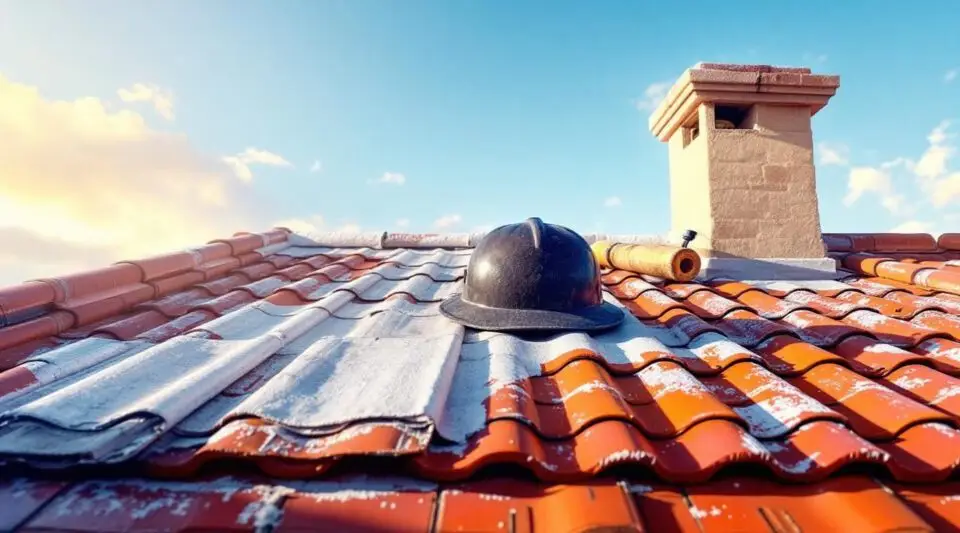
Spanish Tile Roofing
A Spanish tile roof brings an unmistakable architectural profile to your commercial property, but managing these heavy, high-character systems requires specialized trade knowledge.
View ServiceProtect Your Commercial Asset with Louisville’s Clay Tile Specialists
Upgrading your commercial property to a premium interlocking tile system is a major capital decision, one that requires precise structural deck reinforcement calculations and expert execution. You need a team that understands how ASTM C1167 Grade 1 terra cotta tile performs under Louisville’s harsh winter freeze-thaw cycles. At Woods of Glenmary Roofing, our crew handles everything from initial dead load assessments to the final mortar-set ridge cap installations.
Do not leave your commercial roof to generalists who treat clay like standard shingles. Let’s sit down, review your architectural blueprints, and map out a high-performance roof built to last a century. Contact us today to schedule your detailed structural load assessment and project estimate.
What They Say About Us:
After our initial inspection, the team recommended replacing our damaged tiles with beautiful new clay tile roofing. They completed the entire installation right on schedule, and our Louisville home looks absolutely fantastic now.
Angelia
Beautiful New Clay Tile Roofing in Crescent HillWe had a stressful leak at our commercial property near downtown Louisville, but this team quickly stepped in to repair the clay tile roofing and fix the water damage. They were incredibly professional throughout the process and proved to be completely reliable.
Beatrice
Reliable Clay Tile Roofing Repair for Our Louisville OfficeThis Louisville roofing company went above and beyond our expectations by using premium clay tiles and keeping us updated daily. They finished the project ahead of schedule, and we fully trust the high-quality craftsmanship of our gorgeous new roof.
Debbie
Outstanding Clay Tile Roofing Installation in the HighlandsWe hired them to address some issues with our clay tile roofing and ensure the underlayment and sealing were handled properly. The entire repair process went smoothly, and the beautiful results have held up wonderfully against the Louisville weather.
Linda
Expert Clay Tile Roofing Repair Near Cherokee ParkThey provided a very clear quote and a sensible timeline for replacing our home's clay tile roofing. The crew worked hard every day, kept our St. Matthews yard clean, and made the entire installation process feel incredibly easy.
Anna
Seamless Clay Tile Roofing Replacement in St. Matthews