
EPDM Roofing Louisville, KY
Proven Durability and Leak Protection for Flat and Low-Slope Roofs
Managing a commercial property in the Ohio Valley means preparing for brutal weather swings. From sudden spring hail storms to winter freezes, your building's flat roof takes a beating. That is why we install heavy-duty ethylene propylene diene monomer (EPDM) systems. This synthetic rubber single-ply membrane provides exceptional elasticity, meaning it stretches and contracts naturally without cracking when Louisville temperatures swing fifty degrees in a single day.
We do not believe in one-size-fits-all specifications. Depending on your building's structural load capacity and wind exposure, our experienced technicians will design either a fully adhered system using high-grade EPDM lap adhesive or a mechanically fastened membrane anchored directly to the deck. For older structures, we carefully evaluate whether a ballasted installation is safe, or if we need to install high-density cover board insulation to maximize your rubber roofing lifespan. We typically recommend a 60 mil membrane over the thinner 45 mil option to provide superior resistance against flying debris and accidental punctures.
A major worry for facility managers is a slow, hidden seam leak that ruins inventory or drywall before anyone notices. To prevent this, we use advanced seam tape splice techniques that chemically fuse the rubber sheets together, creating a continuous waterproof barrier. We also handle flat roof drainage challenges, making sure water flows directly to your scuppers and drains instead of ponding on the membrane. Every commercial project we undertake complies fully with Louisville Metro building codes, ensuring your investment is fully protected and up to standard.
Our licensed operators handle epdm roofing with upfront pricing, fully insured equipment, and 24/7 availability throughout Louisville, KY.
EPDM Roofing Louisville, KY
Why Commercial Properties Depend on Synthetic Rubber
Investing in an ethylene propylene diene monomer roof brings a level of long-term predictability that commercial property managers rarely find. Unlike complex multi-ply systems, this single-ply membrane offers a clean, lightweight, and incredibly durable shield over your low-slope roofing. When you choose a fully adhered system, the synthetic rubber is bonded directly to the cover board insulation, creating a continuous barrier that handles extreme temperature swings without cracking. This is particularly valuable for commercial properties in Louisville, where winter freezes quickly give way to sweltering, humid summers.
The real value of this material lies in its exceptional rubber roofing lifespan and ease of maintenance. It lasts. If a storm rolls through Jefferson County and hurls debris onto your facility, a membrane puncture repair is a straightforward, localized process rather than a major capital expense. We typically recommend a 60 mil membrane over the thinner 45 mil membrane for high-traffic flat roofs. The added thickness provides substantial insurance against accidental punctures from HVAC service technicians. By using high-grade EPDM lap adhesive and a double-layered seam tape splice, we ensure the most vulnerable points of the roof remain completely watertight for decades.
-
PROVEN LONGEVITY — A properly installed synthetic rubber roof easily delivers a service life exceeding thirty years with minimal upkeep.
-
FLEXIBLE ADAPTABILITY — The membrane expands and contracts naturally during rapid weather shifts, preventing the splitting common in asphalt systems.
-
EFFICIENT REPAIRS — Minor punctures or localized cuts can be patched quickly with specialized adhesive, avoiding the need for premature replacement.
-
TAILORED ATTACHMENT — Choose between a fully adhered system for wind resistance or a ballasted installation to keep initial labor costs lower.
-
SUPERIOR SEAM INTEGRITY — Modern seam tape splice techniques create a chemical bond that is actually stronger than the membrane itself.
EPDM Roofing Louisville, KY
Why Commercial Property Owners in Louisville Trust Woods of Glenmary Roofing for EPDM Roofing
When you manage a commercial property, you cannot afford to hire a general contractor who treats low-slope roofing as an afterthought. At Woods of Glenmary Roofing, we specialize in the precise installation and maintenance of single-ply membrane systems. Our local crews understand how Louisville's extreme freeze-thaw cycles stress EPDM lap adhesive and pull flashings away from parapet walls. Unlike national chains that dispatch rotating subcontractors, our experienced technicians are directly employed, fully licensed, and specifically trained in ASTM D4637 standards.
We differentiate ourselves from simple break-fix shops by focusing on long-term system integrity rather than quick patches. Whether your facility requires a fully adhered system, a mechanically fastened membrane, or a traditional ballasted installation, we evaluate your building's structural load and flat roof drainage first. Woods of Glenmary Roofing provides transparent, detailed bids outlining the exact performance trade-offs between a 45 mil membrane and a heavy-duty 60 mil membrane, ensuring you get the exact rubber roofing lifespan you expect without paying for unnecessary markups.
LOCALLY OWNED & OPERATED
Dispatchers and drivers who know your community.
GPS-TRACKED FLEET
Real-time ETAs and the closest available truck.
LICENSED PROFESSIONALS
Fully insured operators trained for safe recovery.
UPFRONT PRICING: Clear quotes before our truck rolls
no surprise fees.
EPDM Roofing Louisville, KY
Frequently Asked Questions About Commercial EPDM Roofing
EPDM Roofing Louisville, KY
Why Quality EPDM Roofing Matters
Low-slope roofing on a commercial facility has to withstand some of the most brutal environmental shifts in the Ohio Valley. In Louisville, winter freeze-thaw cycles force water into tiny crevices, while summer heat regularly sends roof surface temperatures soaring. If you are managing a local warehouse or retail space, an old or poorly installed system will quickly reveal its weaknesses. Our team specializes in protecting commercial flat roofs in Louisville from these exact conditions. Choosing a durable ethylene propylene diene monomer system provides a resilient barrier that stretches and contracts without cracking. This flexibility is what prevents catastrophic failures at the joints and parapets when the weather shifts overnight.
Specifying the right details makes the difference between a system that lasts decades and one that fails in five years. Many low-bid contractors try to cut costs by skipping the cover board insulation or using a thinner 45 mil membrane where a heavy-duty 60 mil membrane is actually required. We emphasize the long-term value of a fully adhered system using high-grade EPDM lap adhesive and meticulous seam tape splice execution. Without these precise details, Louisville's high winds and heavy spring rains can cause membrane detachment or slow, hidden leaks that rot your decking long before water drips onto your inventory.
Investing in a proper installation directly impacts your bottom line by maximizing your rubber roofing lifespan. When you secure a high-quality single-ply membrane, you avoid the constant cycle of emergency membrane puncture repair and premature replacement. We help local property managers navigate these choices honestly, ensuring your flat roof drainage is optimized and your building remains fully dry. Protecting your operations starts with a roof that doesn't require constant worry.
Our Services
Asphalt Shingle Roofing
Commercial properties in Louisville face a unique set of meteorological challenges, from the high humidity of the Ohio River valley to intense spring severe weather.
View Service
Clay Tile Roofing
When you invest in a commercial roof in Louisville, you are planning for decades, not just the next budget cycle.
View Service
Commercial TPO Roofing Services in Louisville
Managing a commercial property in the Ohio Valley means preparing for extreme weather shifts.
View Service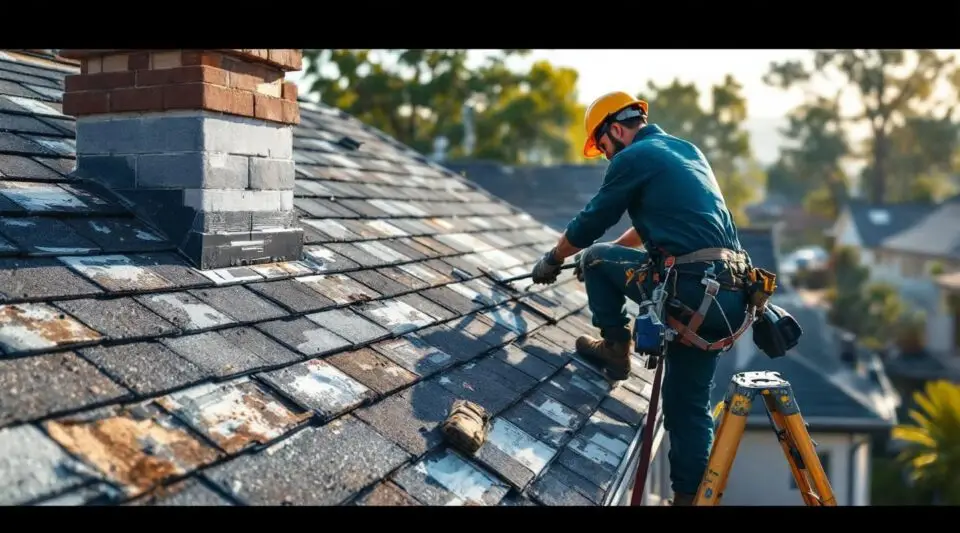
Composition Shingle Roofing for Louisville Commercial Properties
Commercial properties across Louisville face intense weather, from humid summer storms to freezing winter cycles.
View Service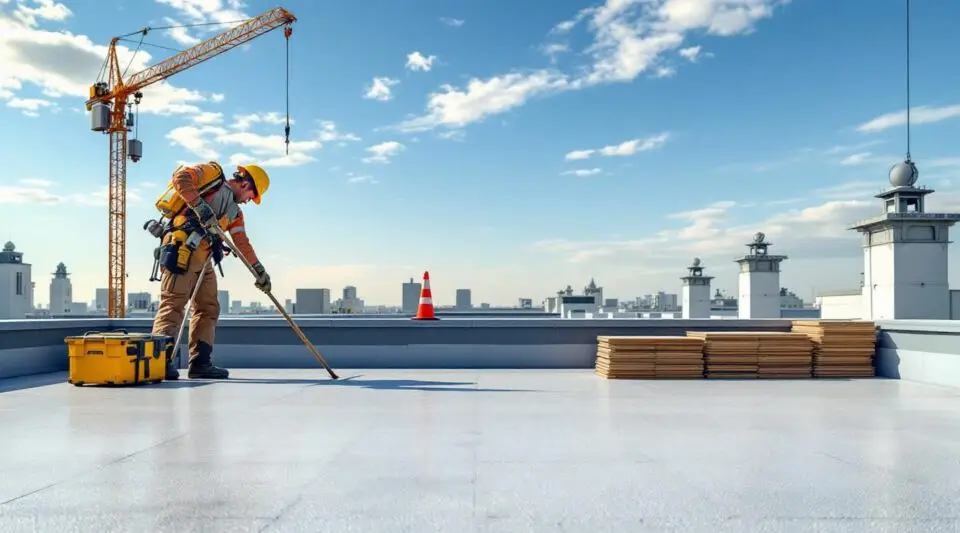
Flat Roof Installation
A flat roof on a commercial property in the Ohio River valley has to work incredibly hard.
View Service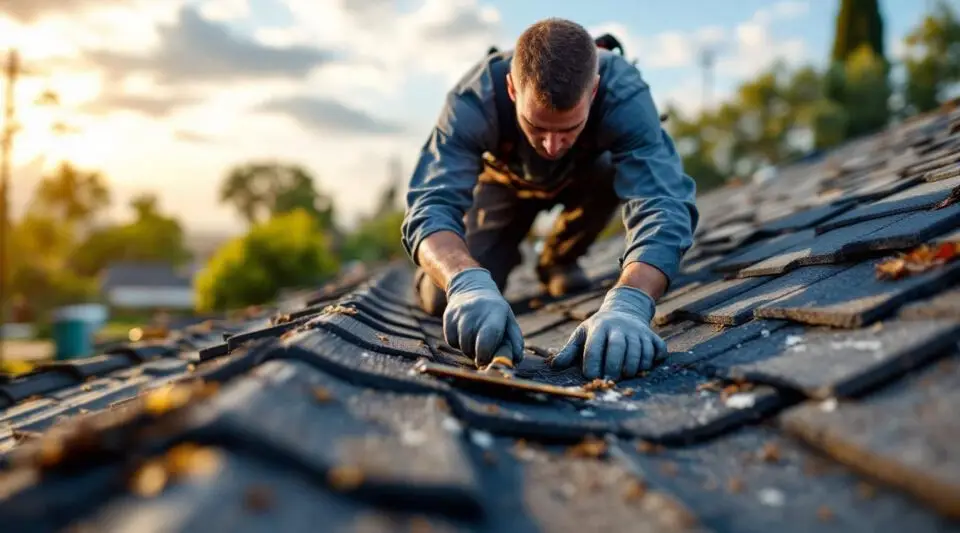
Flat Roof Repair
When a flat roof starts leaking on a commercial property in Louisville, the clock is ticking.
View Service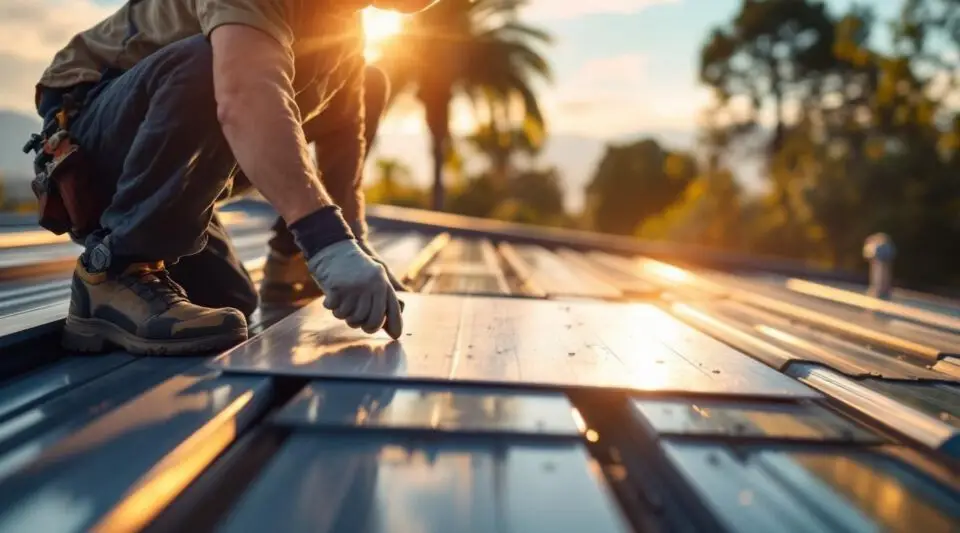
Metal Roofing Systems
Protecting a commercial property in the Ohio River valley requires a roofing system that shrugs off intense summer heat, sudden spring hail, and winter freeze-thaw cycles.
View Service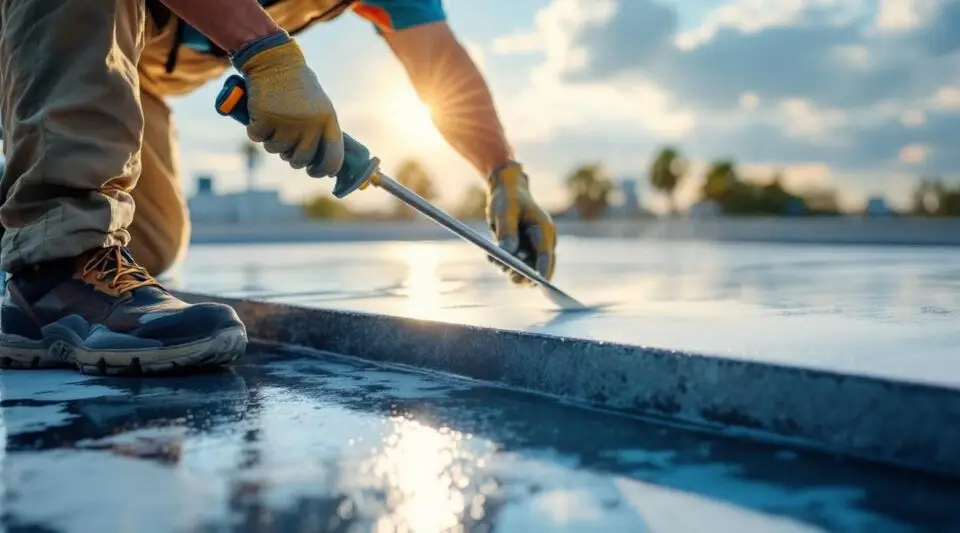
Roof Coating
Commercial property owners in Louisville face a unique set of challenges when it comes to maintaining low-slope roofing.
View Service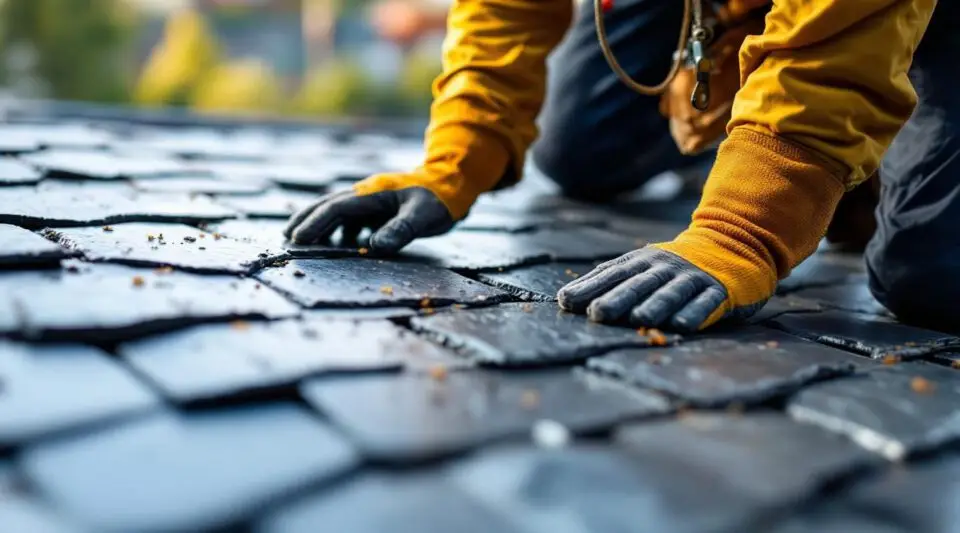
Slate Roofing
Commercial buildings with natural slate tile roofs represent some of the most architecturally significant properties in Kentucky.
View Service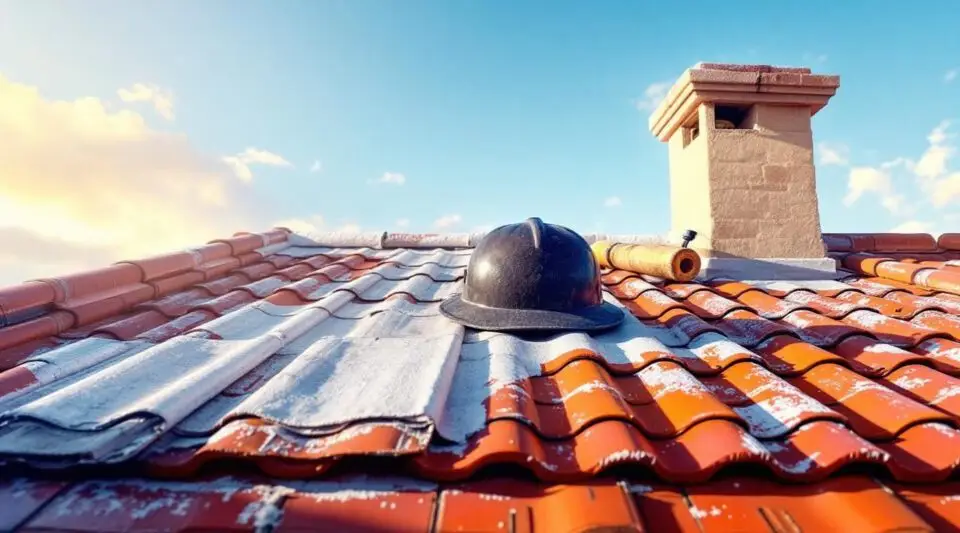
Spanish Tile Roofing
A Spanish tile roof brings an unmistakable architectural profile to your commercial property, but managing these heavy, high-character systems requires specialized trade knowledge.
View ServiceSecure Your Commercial Flat Roof Today
Whether you need to address a failing seam splice on an older low-slope roof or require a complete 60 mil membrane installation over fresh cover board insulation, our crew is ready to help. We do not believe in high-pressure sales pitches or guessing from the ground. We get on your roof, perform a thorough physical assessment, and provide a clear, detailed plan to extend your rubber roofing lifespan or execute a clean replacement.
Do not let a hidden leak damage your inventory or disrupt operations. Contact Woods of Glenmary Roofing today to schedule a professional roof inspection for your commercial properties in Louisville. We will provide an honest, transparent estimate based on the actual condition of your membrane and flat roof drainage.
What They Say About Us:
The team provided a clear estimate and a sensible schedule for our flat roof project here in the Highlands. They worked hard every day, kept the job site clean, and delivered a highly professional EPDM roof that looks fantastic.
Anna
Excellent EPDM Roofing Installation in the HighlandsWhen our commercial building near Downtown Louisville developed a leak, this professional team quickly stepped in to repair the damage and install durable EPDM roofing. They were incredibly reliable throughout the process, and we haven't had a single issue since.
Beatrice
Reliable EPDM Roofing Repair for Our Louisville OfficeWe hired them to fix our flat roof in St. Matthews, and they took the time to explain the EPDM materials and ensure the sealing was done perfectly. The entire process went smoothly, and the finished roof has held up wonderfully against the elements.
Linda
Professional EPDM Roofing and Sealing in St. MatthewsAfter a thorough inspection of our Clifton property, they recommended a full EPDM roofing replacement to protect our flat-roof home. The crew completed the job right on schedule, and the new roof looks absolutely fantastic.
Angelia
Top-Tier EPDM Roofing Replacement in CliftonThis team went above and beyond by using premium EPDM roofing materials and keeping us updated on our Germantown project every step of the way. They even finished ahead of schedule, leaving us with a great-looking roof that we completely trust.
Debbie
Outstanding EPDM Roofing Service Near Germantown