

Flat Roof Repair Louisville, KY
Stop Water Intrusion Before It Threatens Your Operations
When a flat roof starts leaking on a commercial property in Louisville, the clock is ticking. Unlike sloped systems where water sheds immediately, low-slope roofing holds water, meaning a single membrane puncture or failed seam can allow gallons of water to seep into your roof deck. At Woods of Glenmary Roofing, we understand that you cannot afford operational downtime or damaged inventory. Our team focuses on tracing the exact source of water intrusion—which is rarely directly above the ceiling stain—and executing permanent repairs that restore the integrity of your system.
Our experienced technicians are well-versed in the unique demands of different commercial systems, whether your building relies on a modern TPO membrane, classic EPDM roofing, or an older built-up roofing assembly. Louisville’s severe seasonal temperature swings cause significant thermal expansion and contraction, which frequently leads to seam failure and cracks around parapet walls. We do not just slap a temporary patch over the problem; we prep the surface, cut out wet insulation, and weld or bond new material to ensure a watertight seal that stands up to our humid summers and freezing winters.
We also pay close attention to the details that others overlook, such as clearing a stubborn drain blockage or performing a critical flashing repair around HVAC curbs and vents. If you are noticing ponding water that lingers for more than forty-eight hours after a heavy Ohio River Valley downpour, it is a clear sign that your roof's drainage system or slope needs professional correction. By addressing these issues early with targeted blister repair or a protective roof coating, we help you avoid the massive capital expense of a premature full roof replacement.
Our licensed operators handle flat roof repair with upfront pricing, fully insured equipment, and 24/7 availability throughout Louisville, KY.
Flat Roof Repair Louisville, KY
Extend the Lifespan of Your Low-Slope Roofing System
When you manage a commercial property, a small leak can quickly escalate into a massive operational headache. Addressing a membrane puncture or a minor seam failure early prevents water from migrating into the roof deck and destroying expensive inventory or ceiling assemblies below. By choosing targeted flat roof repair instead of rushing into an expensive, premature replacement, you keep your business running smoothly without the massive disruption of a full tear-off. Our team focuses on identifying the exact source of water entry, whether it is a failing TPO membrane, aged EPDM roofing, or a stubborn drain blockage.
Louisville's intense seasonal shifts—from humid summer heat to winter freeze-thaw cycles—put immense stress on low-slope roofing systems. If you ignore a blister repair or cracked flashing repair along your parapet walls, winter ice damming will widen those gaps and rot your decking. Our experienced roofers in Louisville use commercial-grade bonding adhesives and torch-down techniques for modified bitumen and built-up roofing to ensure every patch holds up against the elements. We can also apply a high-solids silicone roof coating over worn sections to restore reflectivity and block UV degradation before it starts.
-
PREVENT PONDING WATER — We restore proper drainage slopes and clear stubborn drain blockages to stop standing water from degrading your membrane.
-
STOP SEAM FAILURES — Our crew re-bonds loose EPDM roofing and TPO membrane seams using high-strength commercial adhesives.
-
PARAPET WALL PROTECTION — We execute precise flashing repair around parapet walls and HVAC curbs to seal off common lateral leak paths.
-
RESTORE MEMBRANE INTEGRITY — From minor membrane puncture patches to blister repair, we stop water before it reaches the underlying roof deck.
-
AVOID PREMATURE REPLACEMENT — Targeted repairs and protective roof coating applications extend the life of your existing system for years.
Flat Roof Repair Louisville, KY
Why Commercial Property Owners in Louisville Trust Woods of Glenmary Roofing for Flat Roof Repair
Commercial low-slope roofing systems demand a level of precision that standard residential contractors simply cannot replicate. At Woods of Glenmary Roofing, we do not treat commercial flat roofs as a sideline service. Our experienced technicians specialize in identifying and correcting system-specific failures, whether you are dealing with a split seam on a TPO membrane, degraded EPDM roofing, or blistered modified bitumen. We understand how the Ohio River valley's intense summer humidity and winter freeze-thaw cycles stress these systems, and we apply targeted, long-term repair strategies rather than temporary, generic patches.
Unlike national roofing chains or fly-by-night storm chasers, we are deeply rooted in the local community. We hold all necessary state credentials, including a Kentucky Department of Housing Buildings and Construction roofing license, and strictly adhere to OSHA fall protection compliance on every job site. When you partner with Woods of Glenmary Roofing, you receive transparent, upfront assessments. We use advanced moisture detection tools to locate hidden water migration beneath the roof deck, ensuring we only repair what is truly compromised. This meticulous approach prevents unnecessary, high-cost tear-offs and keeps your business operations running smoothly without disruption.
LOCALLY OWNED & OPERATED
Dispatchers and drivers who know your community.
GPS-TRACKED FLEET
Real-time ETAs and the closest available truck.
LICENSED PROFESSIONALS
Fully insured operators trained for safe recovery.
UPFRONT PRICING: Clear quotes before our truck rolls
no surprise fees.
Flat Roof Repair Louisville, KY
Commercial Flat Roof Repair FAQs
Flat Roof Repair Louisville, KY
Why Timely Flat Roof Repair Matters for Your Commercial Property
On a commercial building, a flat roof is a highly engineered system where even a minor membrane puncture can trigger a chain reaction of hidden damage. Unlike sloped residential roofs, low-slope roofing relies on perfect seals and clear pathways to shed water. When a seam failure occurs or a drain blockage goes unnoticed after a heavy storm, water begins to collect. This ponding water puts immense hydrostatic pressure on your roof deck, slowly finding any microscopic path through the insulation and into your ceiling.
In the Louisville metro area, our climate puts extreme stress on commercial roofing. The intense summer heat causes TPO membrane and EPDM roofing systems to expand, while our rapid winter freeze-thaw cycles force water into tiny cracks, widening them overnight. If you ignore a small blister or failing flashing repair along a parapet wall, you are inviting moisture to rot your decking and ruin expensive interior inventory. Hiring our team of commercial specialists ensures these vulnerabilities are caught before they disrupt your daily business operations.
Proactive maintenance and targeted blister repair or seam re-bonding can extend the lifespan of your existing system by years, saving you from a premature and incredibly disruptive full replacement. Many facility managers fear being upsold on a new roof when a localized repair or a protective roof coating application is all that is required. By addressing flashing issues and membrane punctures early, you maintain the structural integrity of your building, protect your tenants, and keep your operational overhead predictable.
This is especially true for historic or aging commercial structures in neighborhoods like Butchertown, the Highlands, or downtown Louisville. Many of these properties rely on older built-up roofing or modified bitumen systems that require specific, traditional trade knowledge to patch correctly. A modern quick-fix contractor might try to slap a standard patch on a complex multi-ply system, only for it to fail during the next seasonal downpour. Trusting experienced roofers who understand the chemistry of different membranes is the only way to ensure your repair stands up to the elements.
Our Services
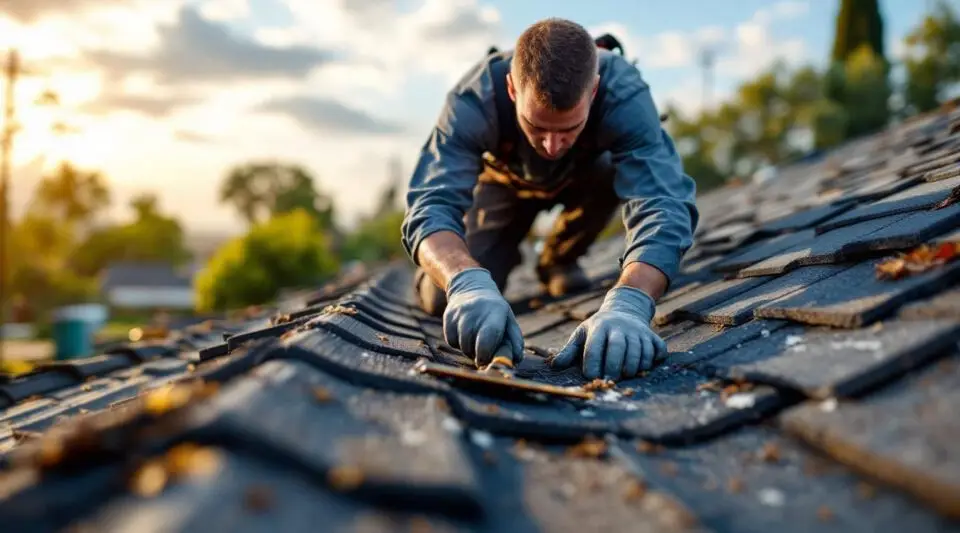
Asphalt Shingle Roofing
Commercial properties in Louisville face a unique set of meteorological challenges, from the high humidity of the Ohio River valley to intense spring severe weather.
View Service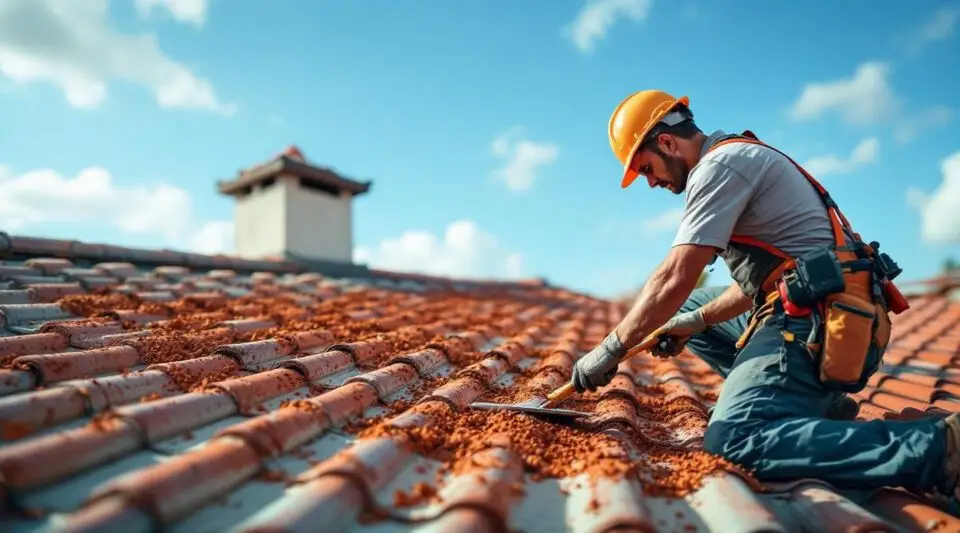
Clay Tile Roofing
When you invest in a commercial roof in Louisville, you are planning for decades, not just the next budget cycle.
View Service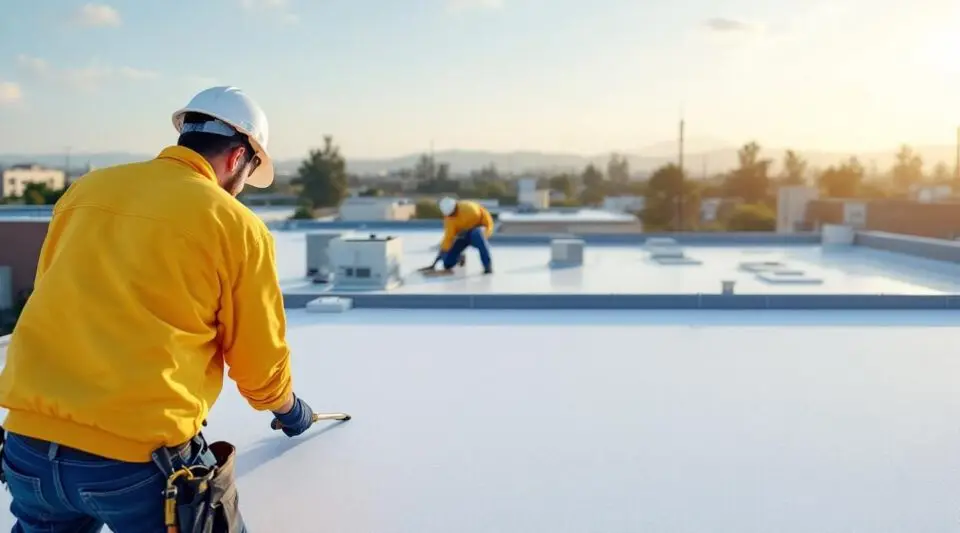
Commercial TPO Roofing Services in Louisville
Managing a commercial property in the Ohio Valley means preparing for extreme weather shifts.
View Service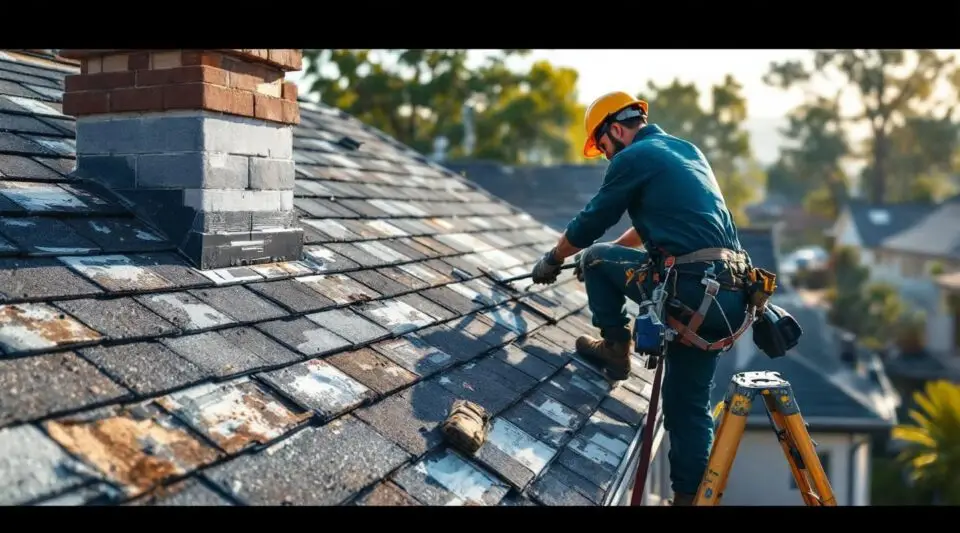
Composition Shingle Roofing for Louisville Commercial Properties
Commercial properties across Louisville face intense weather, from humid summer storms to freezing winter cycles.
View Service
EPDM Roofing
Managing a commercial property in the Ohio Valley means preparing for brutal weather swings.
View Service
Flat Roof Installation
A flat roof on a commercial property in the Ohio River valley has to work incredibly hard.
View Service
Metal Roofing Systems
Protecting a commercial property in the Ohio River valley requires a roofing system that shrugs off intense summer heat, sudden spring hail, and winter freeze-thaw cycles.
View Service
Roof Coating
Commercial property owners in Louisville face a unique set of challenges when it comes to maintaining low-slope roofing.
View Service
Slate Roofing
Commercial buildings with natural slate tile roofs represent some of the most architecturally significant properties in Kentucky.
View Service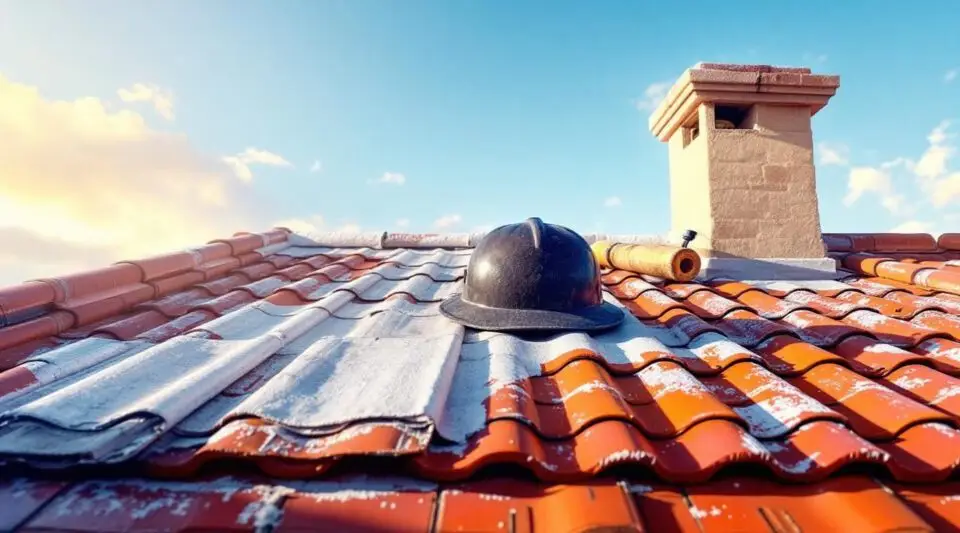
Spanish Tile Roofing
A Spanish tile roof brings an unmistakable architectural profile to your commercial property, but managing these heavy, high-character systems requires specialized trade knowledge.
View ServiceStop Flat Roof Leaks Before They Disrupt Your Business
If you are dealing with ponding water after a heavy storm or suspect a hidden seam failure on your TPO membrane, waiting only invites deeper structural decay. Our experienced technicians understand how water travels laterally under low-slope roofing systems. We provide honest, targeted repairs that protect your inventory and equipment without pushing for an expensive, unnecessary replacement.
Let us inspect your roof deck, clear your drain blockages, and secure your parapet wall flashings before the next Louisville freeze-thaw cycle hits. Contact our team today to schedule a thorough assessment and get a transparent, written plan to restore your commercial roof's integrity.
What They Say About Us:
They came out to our home in the Highlands for an inspection and recommended replacing the worn shingles. The crew completed the job right on schedule, and the finished roof looks absolutely fantastic.
Angelia
Professional Shingle Replacement After Our Roof InspectionWe hired them to fix our flat roof in St. Matthews, and they walked us through the high-quality materials and sealing process. The entire project went smoothly, and the repairs have held up beautifully over time.
Linda
Reliable Flat Roof Repair and Sealing ServicesWhen our office near Downtown Louisville developed a leak, they responded quickly to replace the damaged shingles and fix the water issues. They proved to be highly professional and reliable throughout the entire repair process.
Beatrice
Fast Flat Roof Repair for Our Leaking OfficeThey provided a clear quote and a sensible schedule for installing a new roof on our Clifton home. The hardworking crew kept the job site clean every day, making the entire process feel incredibly easy and well-planned.
Anna
Exceptional New Roof Installation and Clean CleanupThis team went above and beyond for our Germantown home by using top-tier materials and finishing the work ahead of schedule. They kept us updated every step of the way, and we completely trust the quality of our beautiful new roof.
Debbie
Trustworthy Roof Repair That Exceeded My Expectations